
DesertDemanding
The Grand Loop: Ennedi and the Lakes of Ounianga
Fifteen days on the track linking Chad's two World Heritage sites, out by the northern route and back through the Ouaddaï.
- Duration
- 15 days
- Group size
- 4–12
The Ennedi Massif
The most famous guelta in the Sahara: a narrow canyon whose black water, stained by camel dung, shelters an isolated population of desert crocodiles.
The term guelta, from Arabic (القلتة), denotes in geomorphology a temporary or permanent body of water with no visible outflow: a pool remaining after the flood in a wadi bed, or a natural basin hollowed in the rock. These wetlands are fed by subsurface flow — water held in the alluvium — and often by hillside springs. A guelta's permanence depends on its sheltered position: a deep canyon limits evaporation.
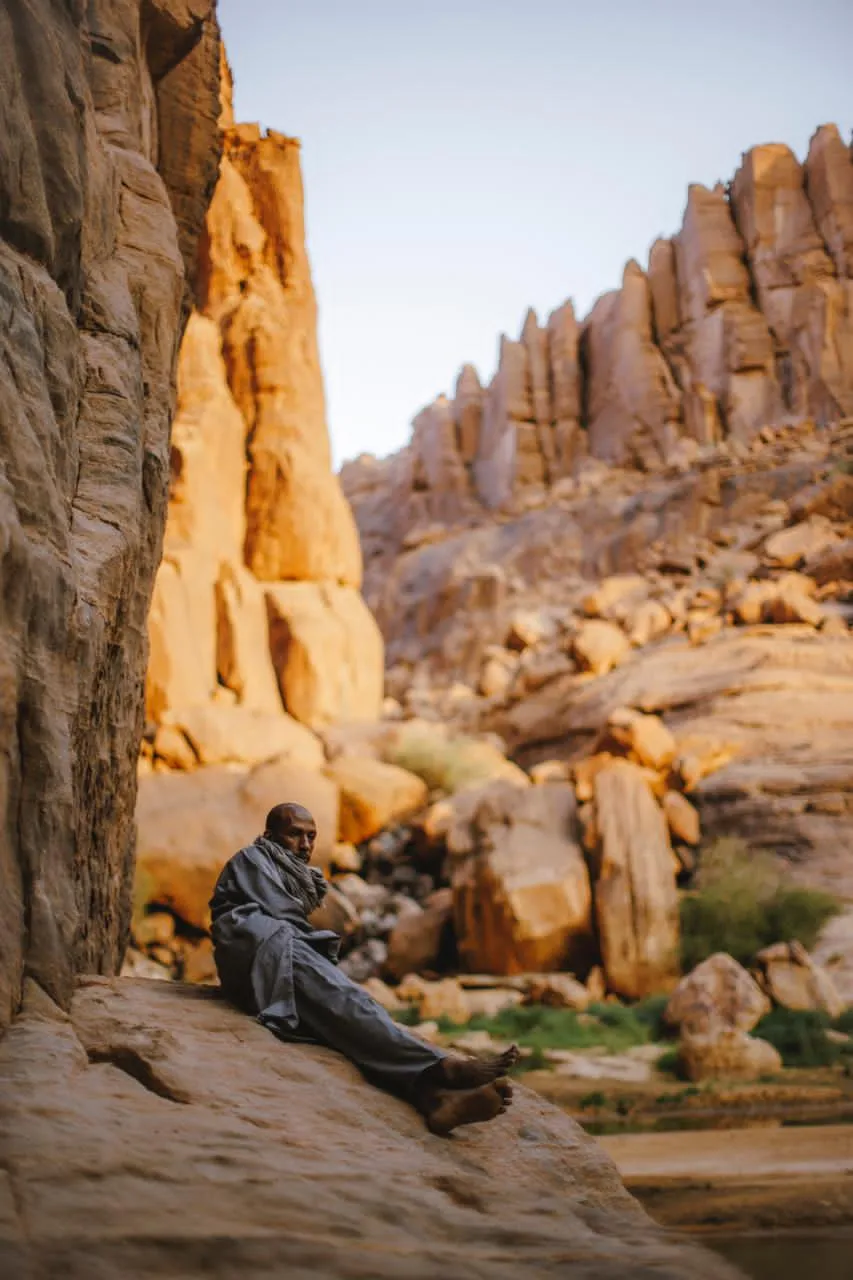
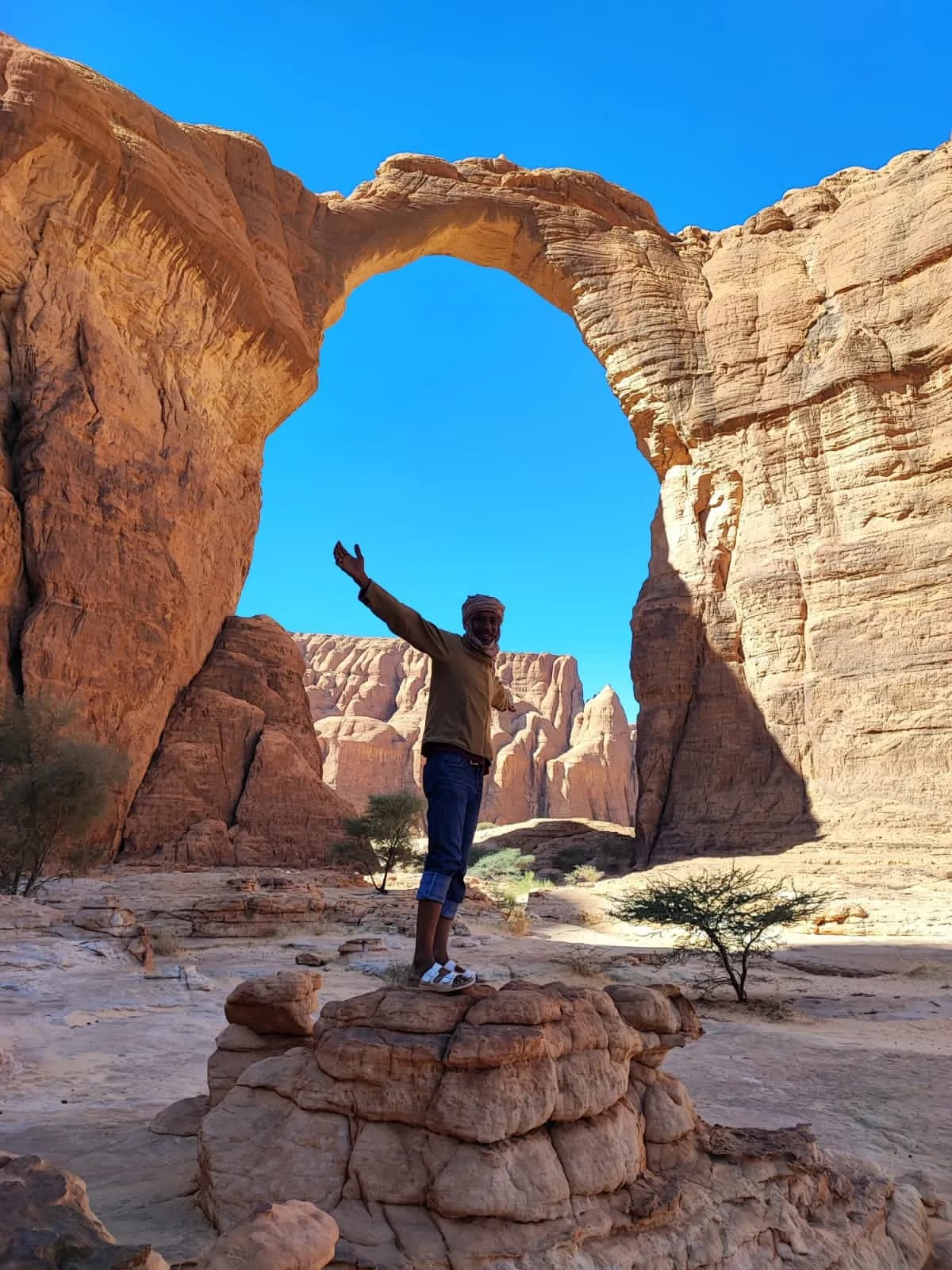
Archei, whose name is said to mean 'desolate land' in Arabic, is considered the most important guelta in the Sahara. It is reached on foot, through an increasingly narrow sandstone corridor, until it opens onto a series of basins hemmed between 300-metre walls.
In a remote part of the guelta survives a residual, entirely isolated population of Nile crocodiles — known here as 'desert crocodiles'. They descend directly from the populations that inhabited the Sahara during its three great prehistoric humid periods, cut off from the rest of the species for several millennia. Dwarfed compared with their relatives, they survive in a few hundred cubic metres of water.
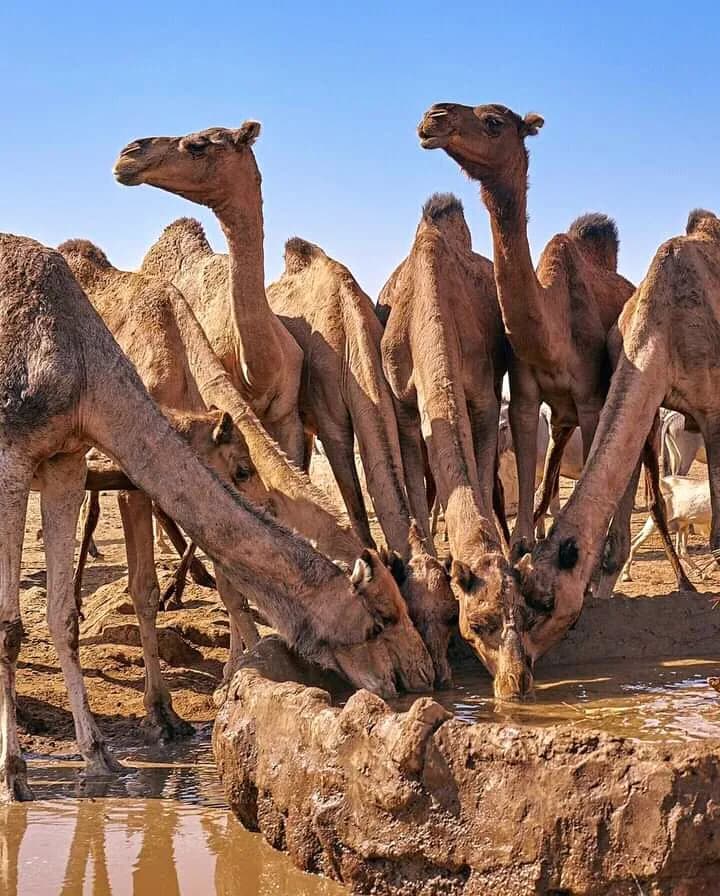
Each day hundreds of dromedaries come down the canyon to drink. It is this traffic, and the dung it leaves, that gives the water its ink-black colour.
Archei is a climate refugium: a living relic of the green Sahara, where a tropical species survives more than 1,000 km from its current range. For the herders of the Ennedi it is also a vital water point on which the whole pastoral economy of the massif depends.
Galerie
Our journeys
Fifteen days on the track linking Chad's two World Heritage sites, out by the northern route and back through the Ouaddaï.
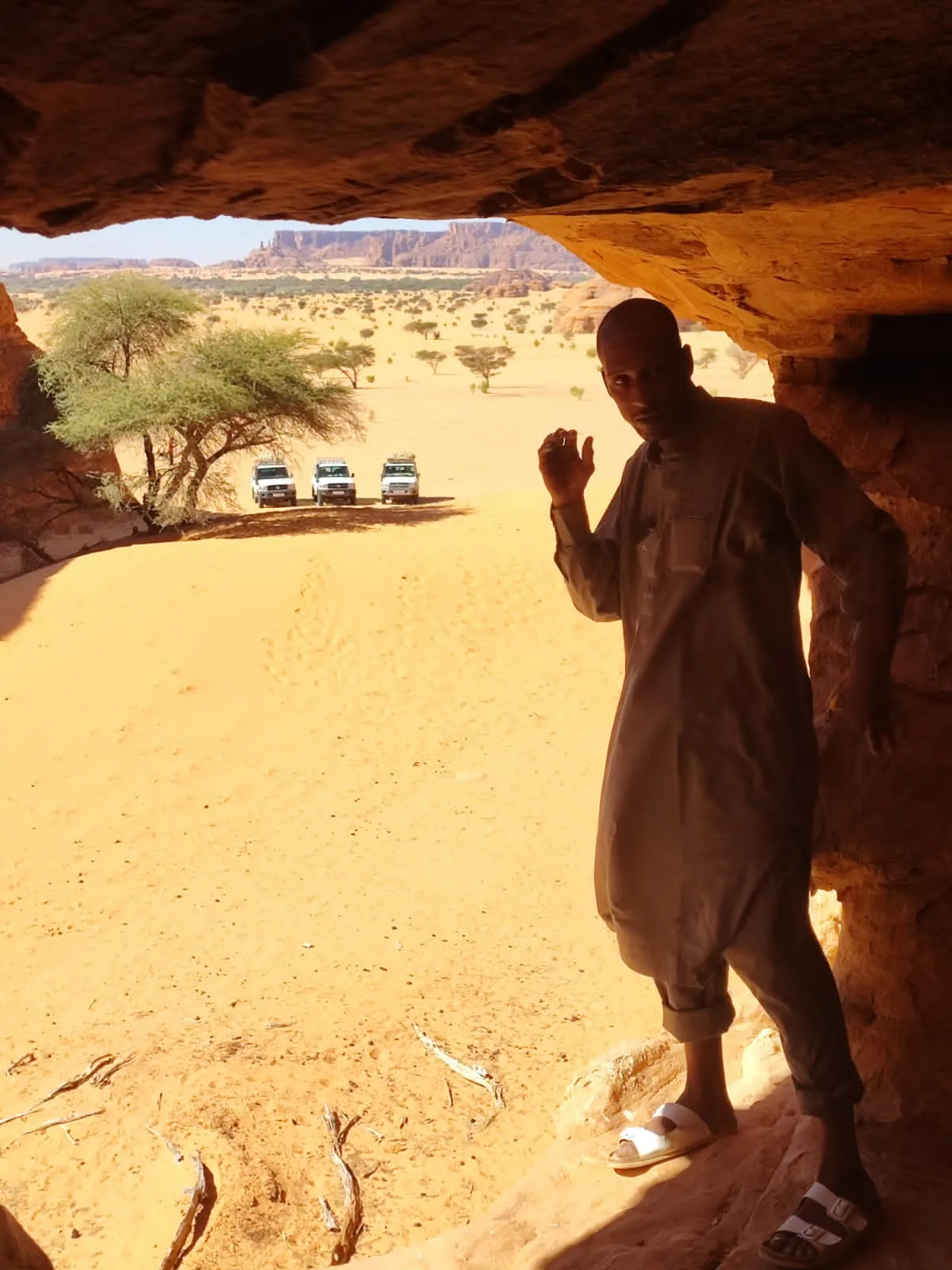
Eight days in the heart of the massif, flying in to Fada so that all the time goes to the ground.
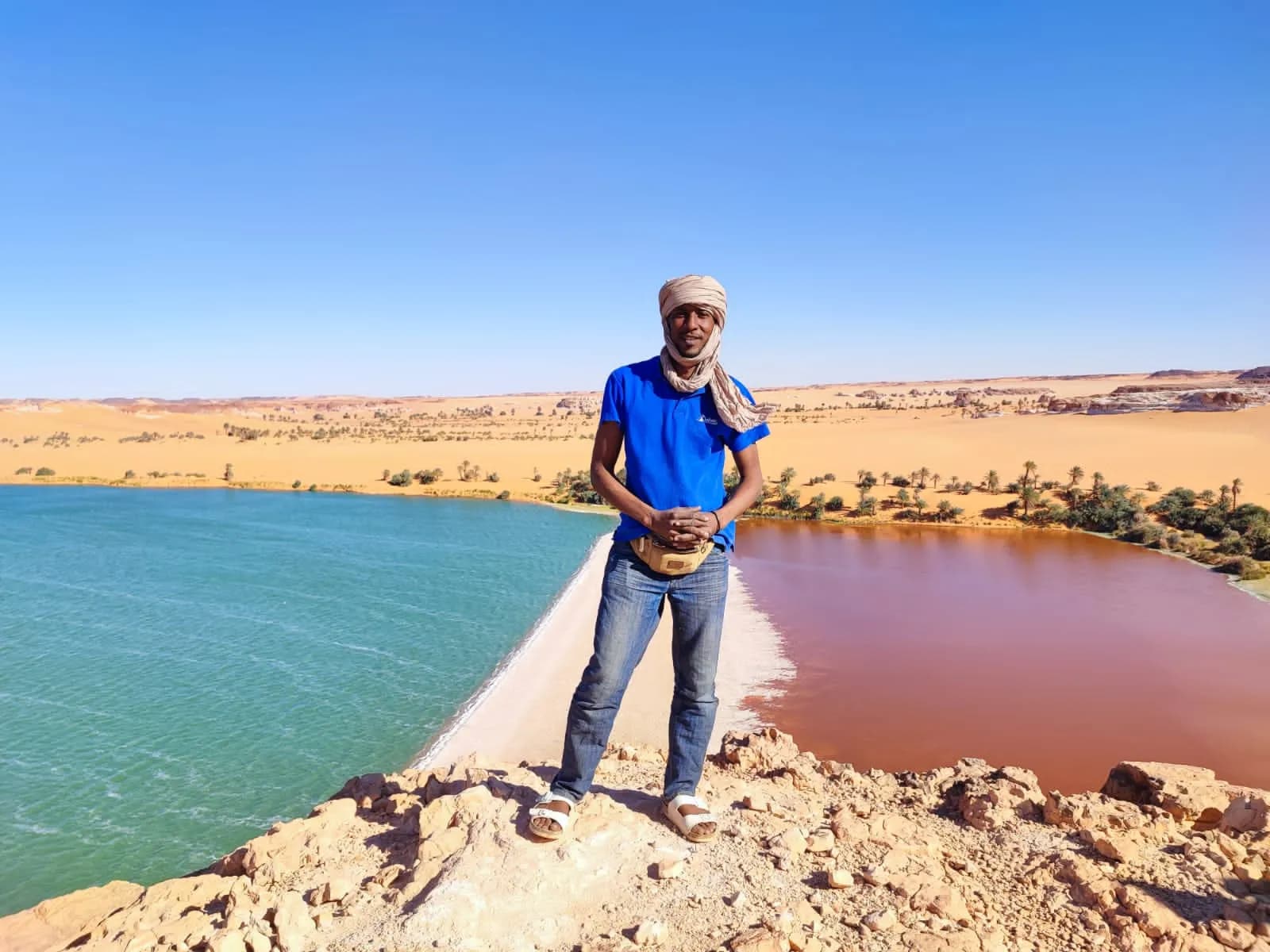
Eighteen days crossing the country north to south: the desert, then the savannah and its elephants.
Sites & heritage