
The question comes up in almost every first conversation: when should you come? The answer depends entirely on what you want to see, because the country spans three climatic worlds.
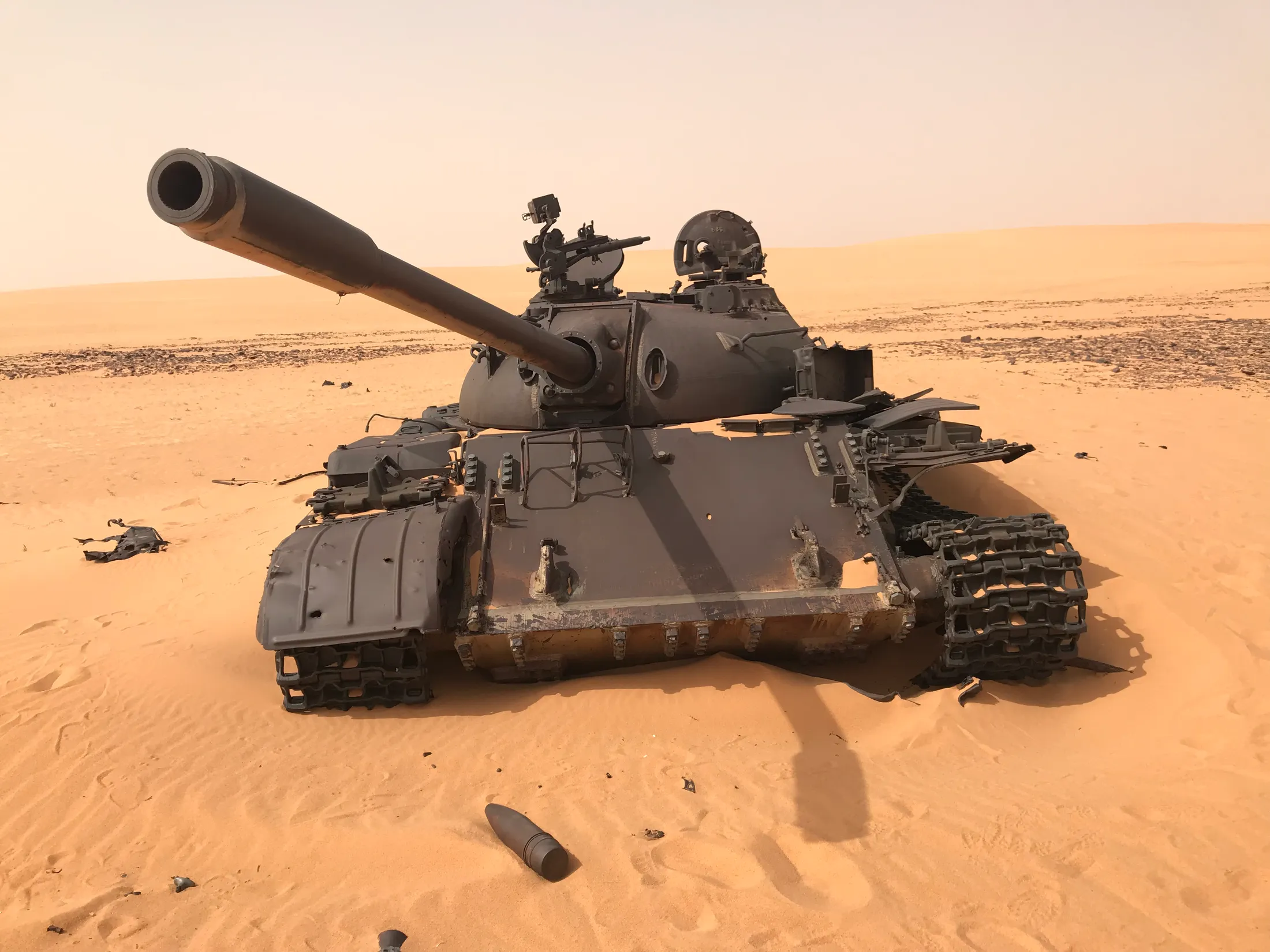
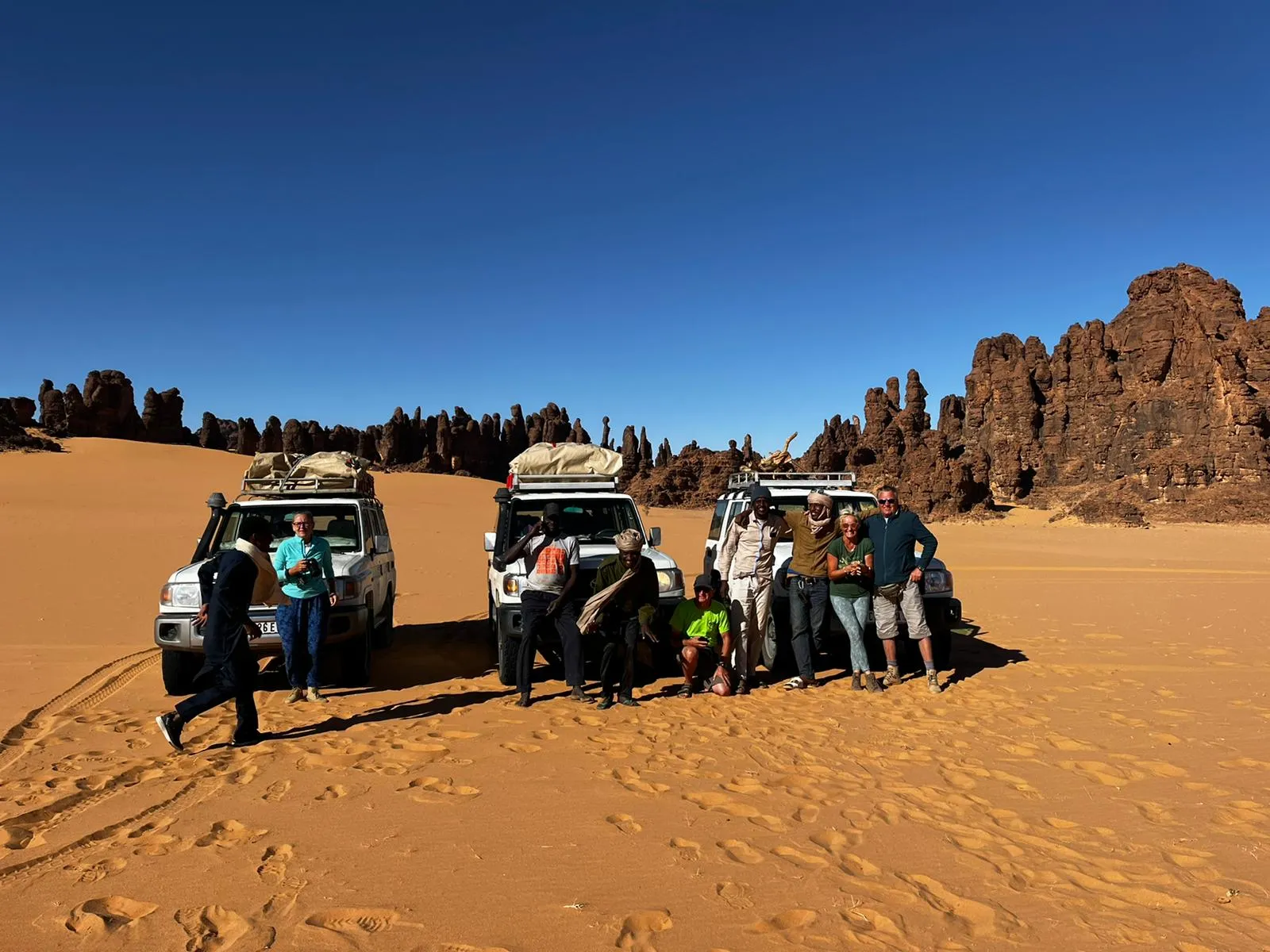
The Saharan north — Ennedi, Tibesti, Ounianga. The usable window runs from November to March. In December and January days peak around 25–30 °C and nights drop to 8 °C in the Ennedi, sometimes below freezing at altitude in the Tibesti. This is the best time: tracks are dry, the light is low and clean, and camping is comfortable. From April the heat becomes hard work; between June and September the brief monsoon makes some tracks impassable — but it is what refills the gueltas.
The Sudanian south — Zakouma. The calendar is inverted and strict. The park opens in December and closes in mid-April, because the rains turn the plain into marsh. The ideal month is March: the water has withdrawn, wildlife concentrates on the last pans, and this is when you can see the elephant herd entire and the great bird gatherings at Rigueik.
The central Sahel — Gerewol, Lake Chad. The Wodaabe Gerewol is held in September–October, just after the rains, when the pastures let the clans regroup. It is the only time of year the Sahel is green. The exact date is never known far ahead: it depends on the rains.
In practice. If you have only one trip, December–January lets you combine the desert and Zakouma in a single crossing. If wildlife is the priority, aim for March. If it is the Gerewol, you will have to hold a window in September without a firm date.