

Sahel
Lake Chad
An inland sea and its thousands of islands
- Area
- 25,000 km²
- Elevation
- 280 m
- Températures
- 15° / 40°C
- Region
- Sahel
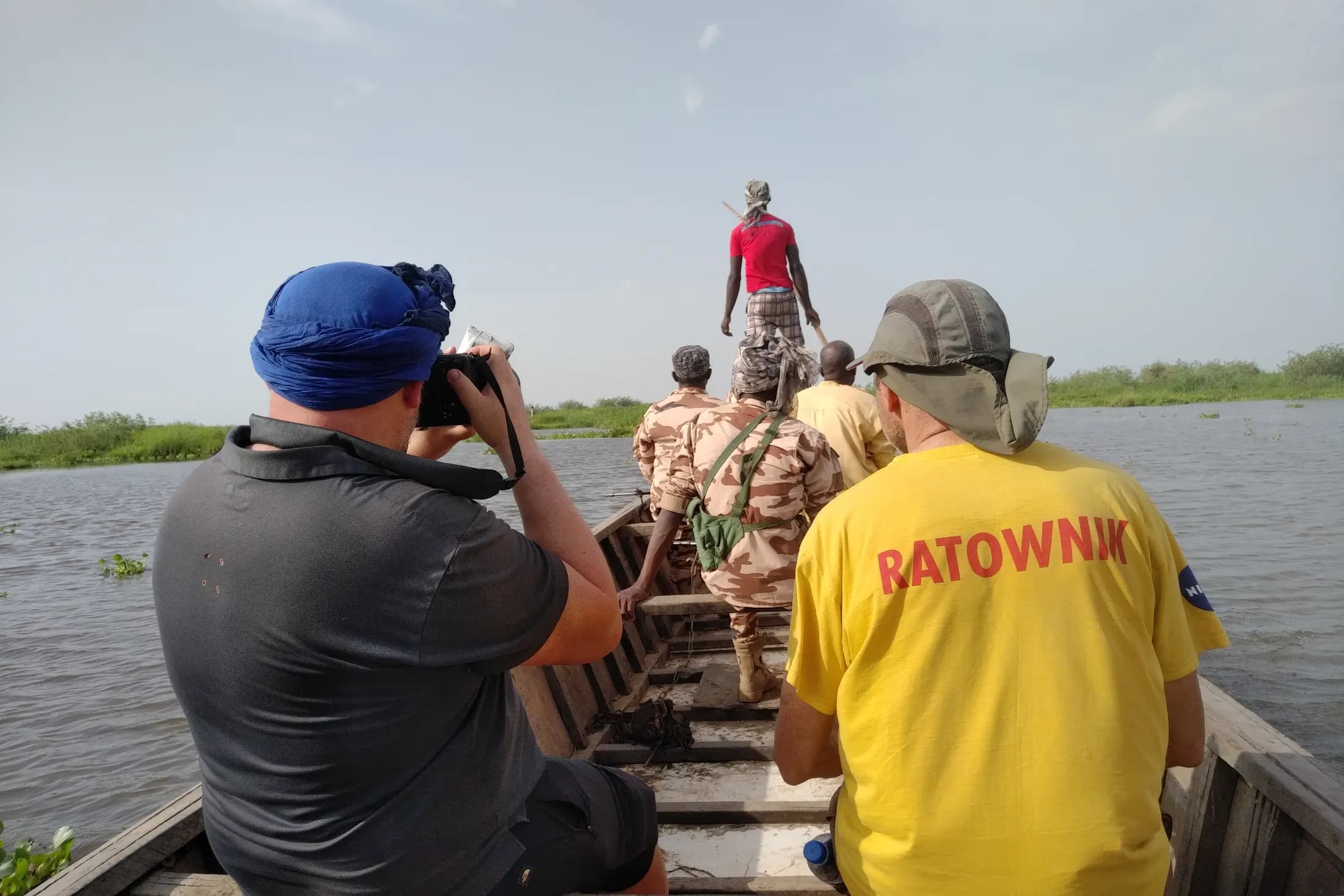
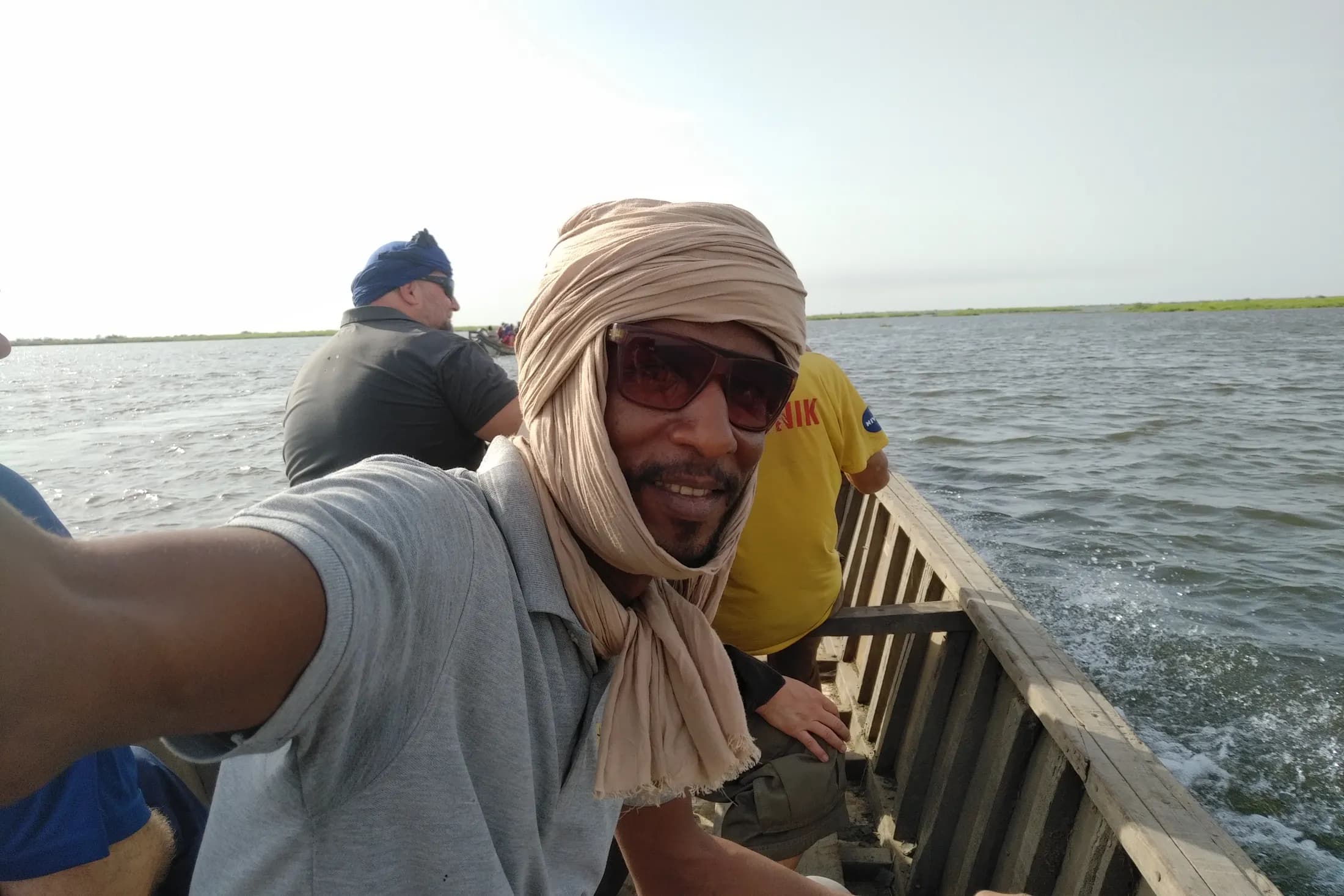
Lake Chad is one of Africa's largest lakes and the historic heart of the basin. Its Chadian portion, around Bol, appears as an archipelago: hundreds of elongated islands, drowned dunes, separated by shallow channels navigated by pirogue.
History of the place
About 7,000 years ago, palaeo-Lake Chad covered more than 350,000 km² — an inland sea larger than today's Caspian. Its shoreline is still legible in the landscape as fossil dune ridges hundreds of kilometres from the present banks.
The lake has fluctuated enormously. In the 20th century it still covered 25,000 km² in the 1960s; the Sahelian drought of the following decades, combined with irrigation withdrawals, reduced it to under 2,000 km² by the mid-1980s. It has partly recovered since, but remains split into two basins.
That instability shaped the societies around it. The Buduma — 'people of the grass' — live on the islands and herd the Kouri cow, a breed whose enormous hollow horns act as floats: it swims from island to island to graze. The Kotoko, Kanembu and Kanuri share the shores, between fishing, flood-recession farming and the spirulina trade, harvested from the surface of the pools and dried into cakes.
The Lake Chad basin remains a major regional issue, shared between Chad, Niger, Nigeria and Cameroon.
Sites & heritage
Sites to discover
Galerie